Premium Tonkin Cane, Split, and Tapered by One Builder — Not a Factory
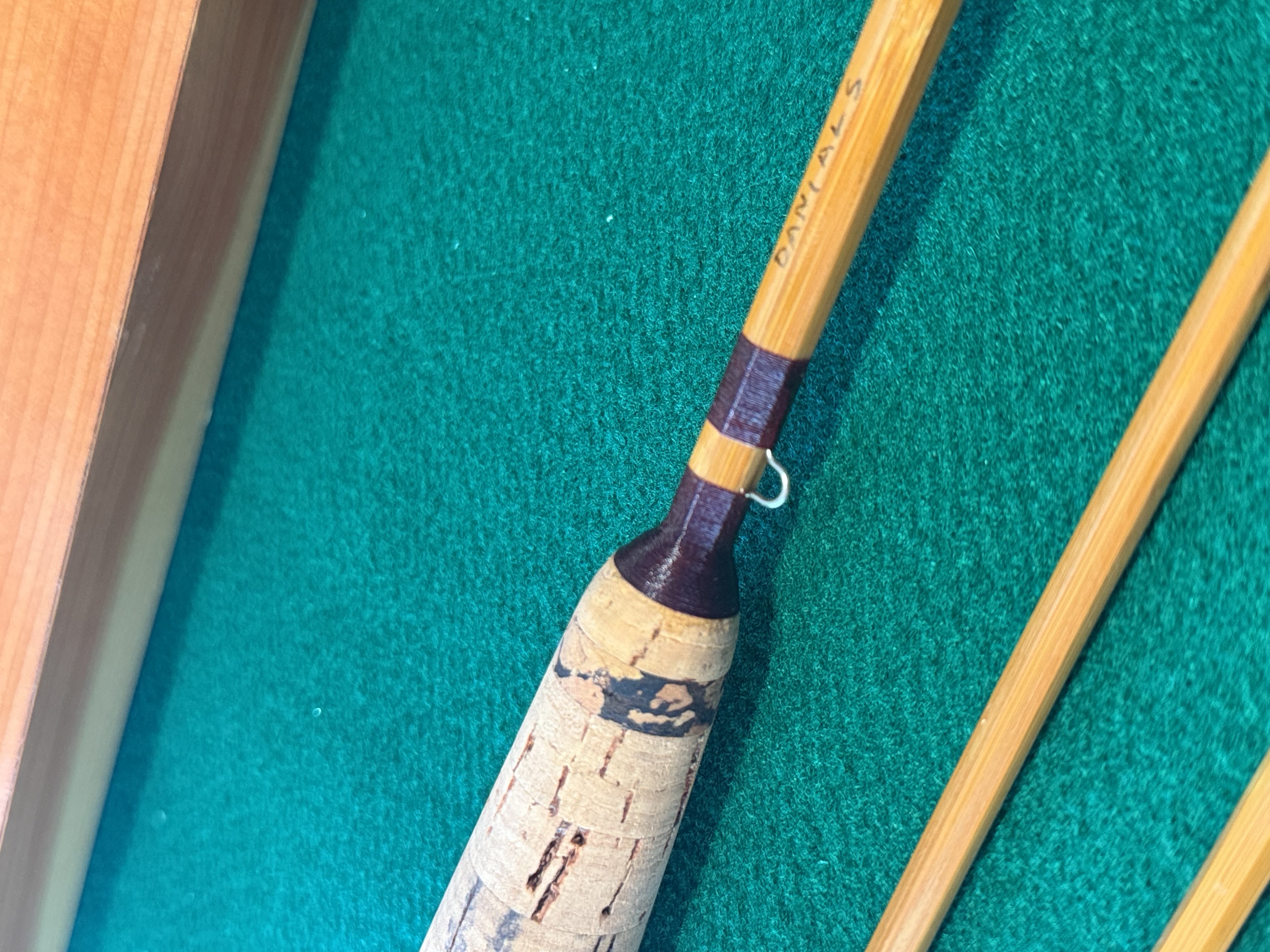
Every ShadowCast Rod is hand-split, planed to a custom taper, and cured over weeks — solid-built, hex, matched to how you cast and where you fish. No blanks, no batches, no guesswork.
Built to outlast you with basic care — and backed by a 5 year warranty against defects, plus 30 days to fish it before you decide.
Every ShadowCast Rod is Built for the Water You Actually Fish
From technical dry-fly presentations on spring creeks to the deep, deliberate load of a big freestone river — we match taper, action, and construction to your home water, not a generic spec sheet.
Whether you're chasing rising trout on a gin-clear flat or working a slow-moving bend on your local river, a ShadowCast Rod is built around how you actually cast — not a one-size-fits-all blank.
A ShadowCast Rod is Built to Outlast You — Here's How to Keep It That Way
Bamboo has a reputation for fragility it doesn't deserve. Treated right, a well-built rod lasts for decades. Wipe it down after every outing and break it down between uses — that's most of the work.
There's one motion worth knowing before your first trip: over-flexing the rod backward over your shoulder while landing a fish close in — anglers call it a 'J-bend' — is the one move that can snap a tip section. Land fish by lifting, not levering, and durability stops being a concern
.
Get Care Tips
Get care tips straight to your inbox.
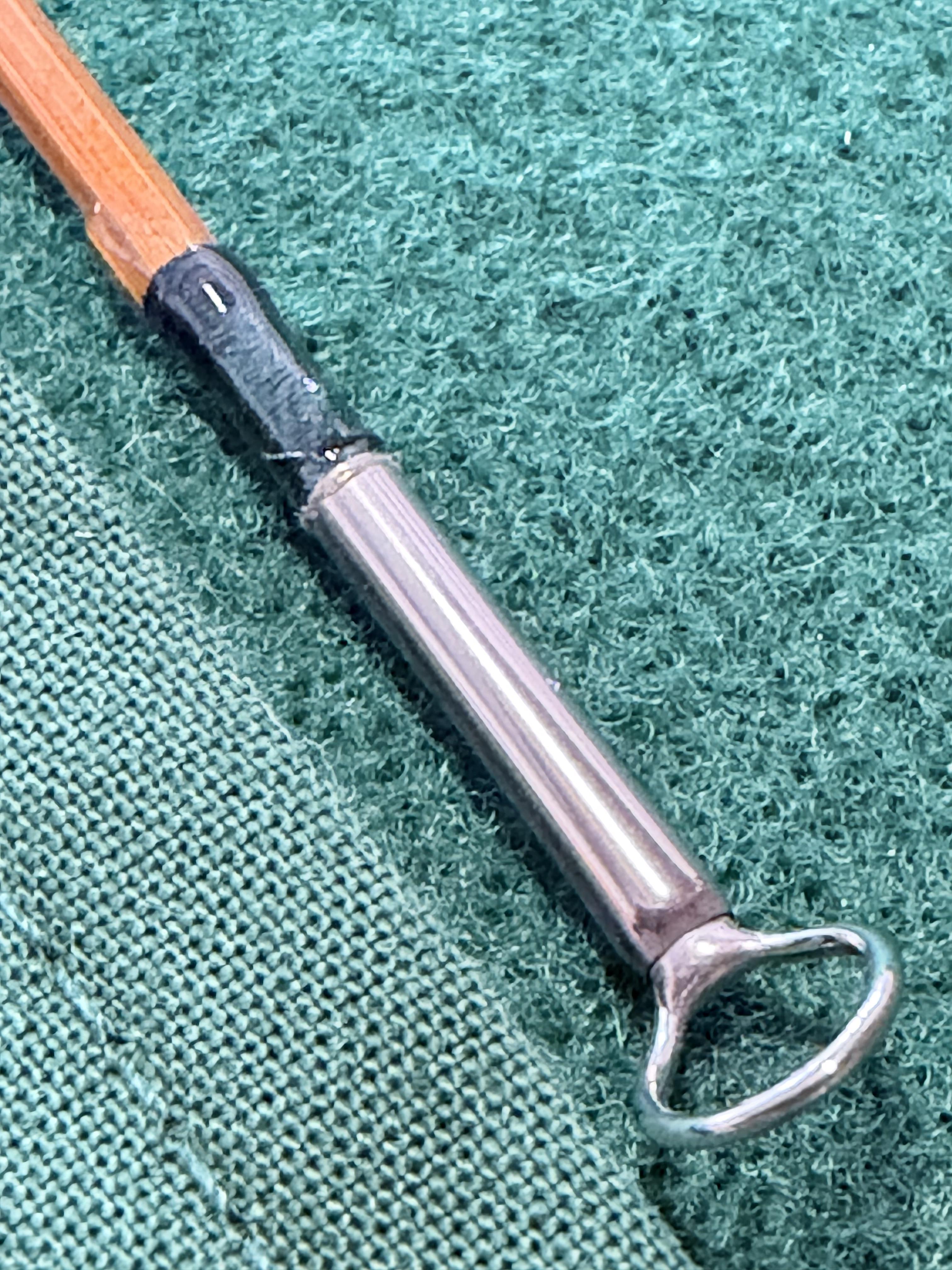
Every custom build starts with a conversation about how you fish — a faster action for punching wind or a slower load for technical dry-fly water. We build to your rod, not off a shelf.
You're not choosing from a catalog. You're working directly with the builder who splits, planes, and finishes your rod — the same person who casts it before it ships.
Your Cast. Your Taper. Your Rod.
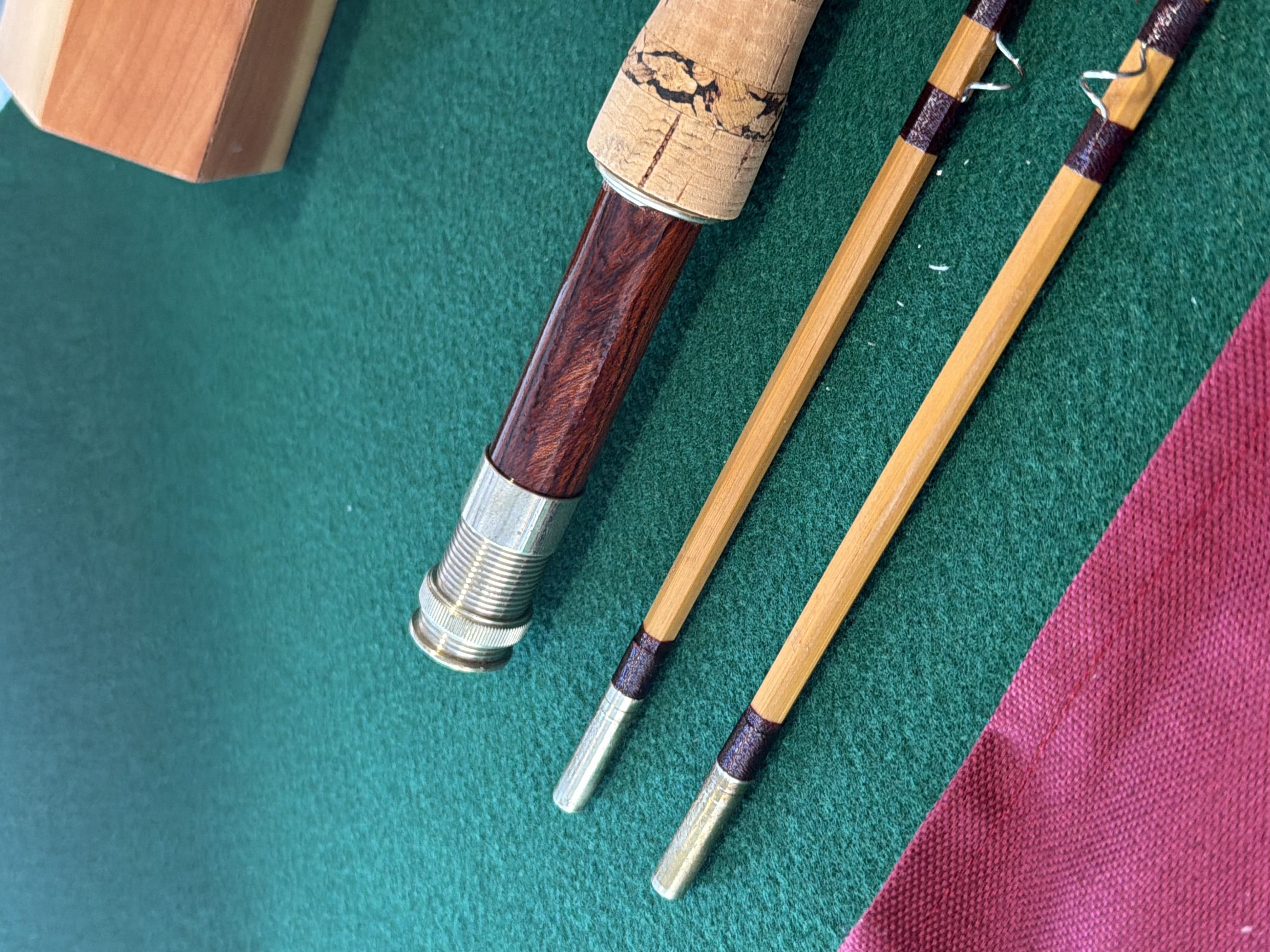

Every Rod Is Built to Order — Yours Starts With a Conversation
There's no shelf to pick from. Reach out, tell us how you fish, and we'll walk you through taper, action, and construction before a single strip of cane is cut.
Plan on 6-8 weeks from your first conversation to a finished rod, hand-built start to finish — not pulled from inventory.
FAQs
Got Questions? Find All Your Answers About Fishing Gear Right Here!
How much does a handmade bamboo fly rod cost, and why?
Expect to invest more than a graphite rod — handmade bamboo rods from established makers typically run from several hundred dollars into four figures, depending on maker reputation, construction method, and finish work. The price reflects labor, not markup: each cane is hand-split, planed to a precise taper, and cured over weeks, not molded in minutes.
Is a bamboo fly rod actually worth it compared to graphite?
Depends what you're optimizing for. Graphite wins on distance, wind-punching power, and forgiveness for a beginner casting stroke. Bamboo wins on feel, line control at close range, and the kind of deep, deliberate load that makes dry-fly presentation genuinely different — not just slower, but more precise. Most anglers who stick with bamboo describe it as a different tool for a different kind of fishing, not a strictly "better" rod.
Is a bamboo fly rod hard to cast? Do I need to change my technique?
Yes, and it's worth knowing before your first cast, not after. Bamboo requires a longer, more deliberate casting stroke — you can't power through a bad cast the way you can with fast graphite, because the rod simply won't let you rush it. That's a discipline builder, not a flaw, but it does mean your first outing may feel unfamiliar.
How long does it take to get used to casting bamboo?
Plan on 4–5 dedicated outings before the timing clicks — most anglers who give up do so right before that point. Anglers who push through consistently report they don't go back to graphite as their primary rod. We recommend fishing your bamboo rod exclusively for those first several trips rather than alternating with graphite, which resets the learning curve each time.
Are bamboo fly rods durable, or will mine break easily?
Bamboo is tougher than its reputation suggests in normal use — wipe it down after each outing and break it down between uses, and a well-built rod can last decades. There is one specific failure point worth knowing: over-flexing the rod backward over your shoulder while fighting a fish close to your feet (anglers call this a "J-bend") is where tip sections are most likely to snap. Avoid that motion and land fish by lifting rather than levering, and durability stops being a real concern.
What line weight should I use with my bamboo rod?
Use the weight the rod is rated for as a starting point, but if the action feels sluggish or overloaded, don't hesitate to drop one line weight below the rating — many bamboo casters find this restores a livelier feel without changing the rod.
What's the difference between hollow-built and solid, or hex and quad construction?
Solid bamboo rods are simpler to build and traditional, but start to feel heavy in longer lengths (around 8 feet and up); hollow-built construction removes interior material to keep longer rods light without sacrificing power. Hexagonal (six-sided) is the traditional cross-section; quad (four-sided) construction tends to feel a bit faster and carries more backbone for its size. Neither is objectively better — it's a matter of what action and feel you're after.
Can I fish nymphs or streamers with a bamboo rod, or is it just for dry flies?
Bamboo is at its best with dry flies and gentle presentation work — the deep, slow load that makes it excel there is the same trait that makes punching a weighted nymph rig into wind a poor match. If your fishing is mostly nymphing or streamer work in tough conditions, bamboo will frustrate you; if you're drawn to technical dry-fly water, it's arguably unmatched.
How is a handmade bamboo rod different from an imported or budget bamboo rod?
The honest answer is consistency, not a blanket quality gap — some imported blanks are genuinely well made, but quality varies significantly maker to maker, and defects like a permanent bend from ordinary casting are a documented issue with some budget blanks. A handmade rod built and tested individually by a single craftsperson removes that variance: every rod is cast before it ships, not sampled from a batch.
What warranty or guarantee comes with my rod?
Every rod ships with a lifetime warranty against defects in materials and craftsmanship, plus a 30-day trial: fish it, cast it, take it out on real water, and if it isn't right for you, return it within 30 days for a full refund. The lifetime warranty covers the rod itself under normal use; it doesn't cover damage from a J-bend or other casting/landing mishap, which is why we walk every buyer through that one failure mode up front rather than burying it in fine print.
How long will it take to receive my rod after I order?
Plan on 6–8 weeks from the time you order to when your rod ships. Every rod is hand-built to order — split, planed, glued, wrapped, and finished individually — so that timeline reflects real build time, not a backlog. We'll confirm an estimated ship date when you order and follow up if anything changes.